Practical Tips for Hosting Small Performances
Hosting small performances can be an enriching experience for both organizers and participants. However, organizing a successful event often requires careful planning and execution. In this article, we will explore practical tips that can help you navigate the complexities of hosting small performances effectively.
Understanding the Basics
Before diving into the details of planning a performance, it's important to understand the foundational elements involved. According to industry experts, a well-organized event often includes clear objectives, a suitable venue, and an engaged audience. This works because these factors contribute to a cohesive experience that fosters connection and enjoyment.
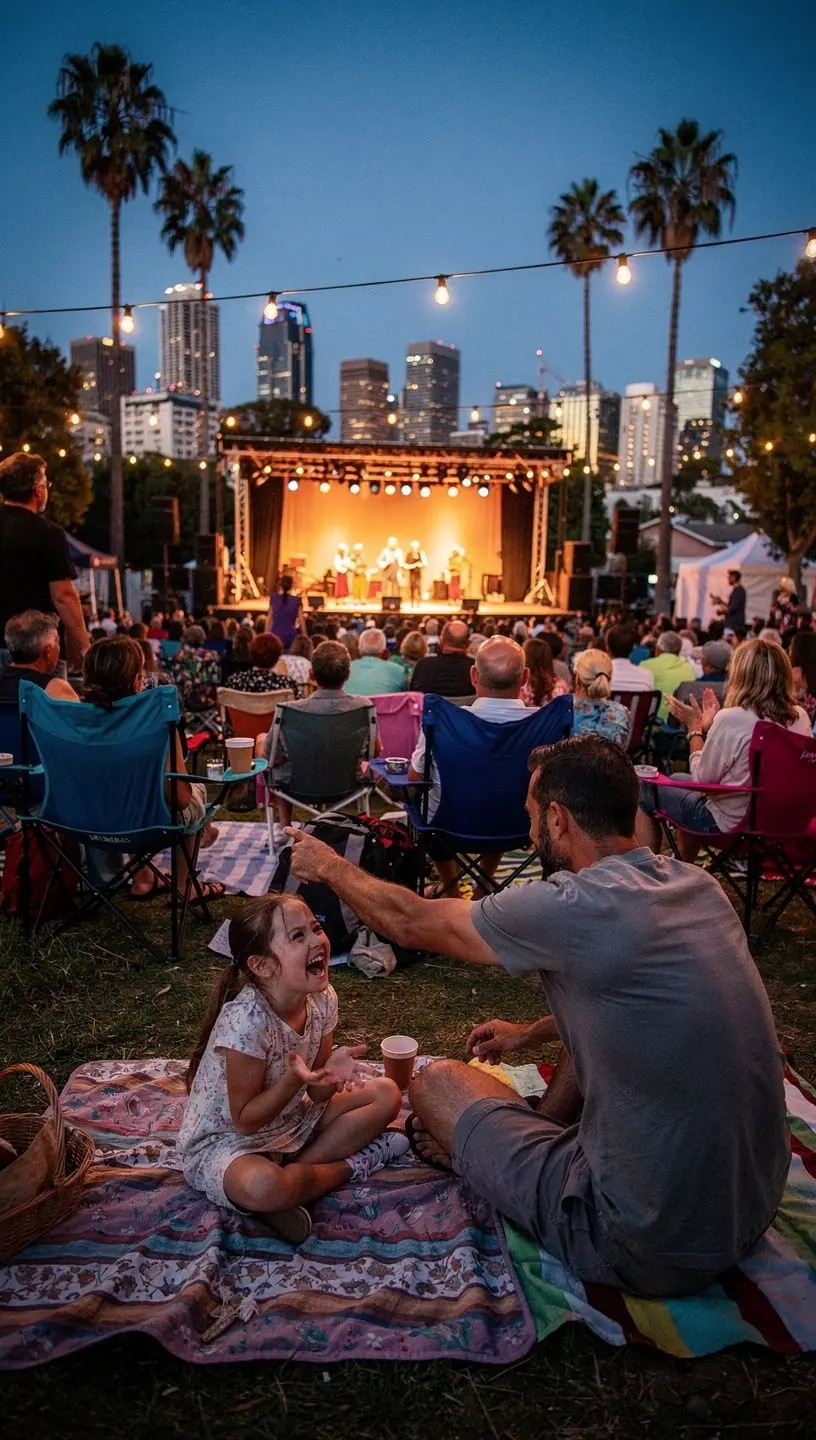
"Well-planned events have been shown to increase audience satisfaction and participation rates significantly."
Choosing the Right Venue
Selecting an appropriate venue is crucial for the success of your performance. Here are some practical considerations:
- Capacity: Ensure the venue can comfortably accommodate the expected audience size. A space that is too large may feel empty, while a cramped venue can detract from the experience.
- Accessibility: Choose a location that is easily accessible for all attendees. This includes considering public transport options and parking availability, which can influence attendance rates.
- Ambiance: The atmosphere of the venue should align with the theme of the performance. Research indicates that a suitable ambiance can enhance audience engagement and enjoyment.
Promoting Your Performance
Effective promotion can greatly impact attendance and the overall success of your event. Here are some approaches to consider:
- Utilize Social Media: Platforms like Facebook and Instagram are popular for event promotion. Experts recommend creating event pages, posting engaging content, and utilizing local community groups to spread the word.
- Engage with Local Influencers: Collaborating with local influencers can help expand your reach. Many users report that partnering with individuals who have established followings can significantly boost event visibility.
- Leverage Email Marketing: Sending out newsletters or targeted emails to your community can effectively remind potential attendees about the performance, increasing the likelihood of participation.
Preparing for the Day of the Event
On the day of the performance, preparation is key to a smooth execution. Here are steps to follow:
- Conduct a Run-Through: Perform a rehearsal with all participants to ensure everyone is familiar with the schedule and setup. This can help minimize surprises during the actual event.
- Set Up Early: Arrive at the venue early to handle logistics like sound checks, seating arrangements, and any technical needs. This typically takes 1-2 hours, depending on the complexity of your performance.
- Prepare for Audience Engagement: Consider how to engage with your audience during and after the performance. This may involve Q&A sessions, feedback forms, or community discussions.
Conclusion
Hosting small performances can be a rewarding endeavor that fosters community and creativity. By carefully considering venue selection, promotion strategies, and day-of preparations, you can create an experience that resonates with your audience. While challenges may arise, the tips outlined in this article are intended to provide a solid foundation for your planning process. Remember, the goal is to create a memorable event that leaves attendees feeling connected and engaged.