The Role of Social Activities in Community Building
Social activities play a crucial role in fostering community spirit, enhancing connections among individuals, and promoting collaboration. This article explores how organized meetups, games, and small-scale performances contribute to community building in the United States.
Understanding the Importance of Social Activities
Social activities typically serve as a platform for individuals to connect and interact. Research indicates that these interactions can lead to improved emotional well-being and a stronger sense of belonging. According to a study by the American Psychological Association, individuals who engage in regular social activities report higher levels of happiness and reduced feelings of loneliness.

"Community engagement is vital for mental health; it fosters connections that are fundamental to our well-being."
Facilitating Connections Through Meetups
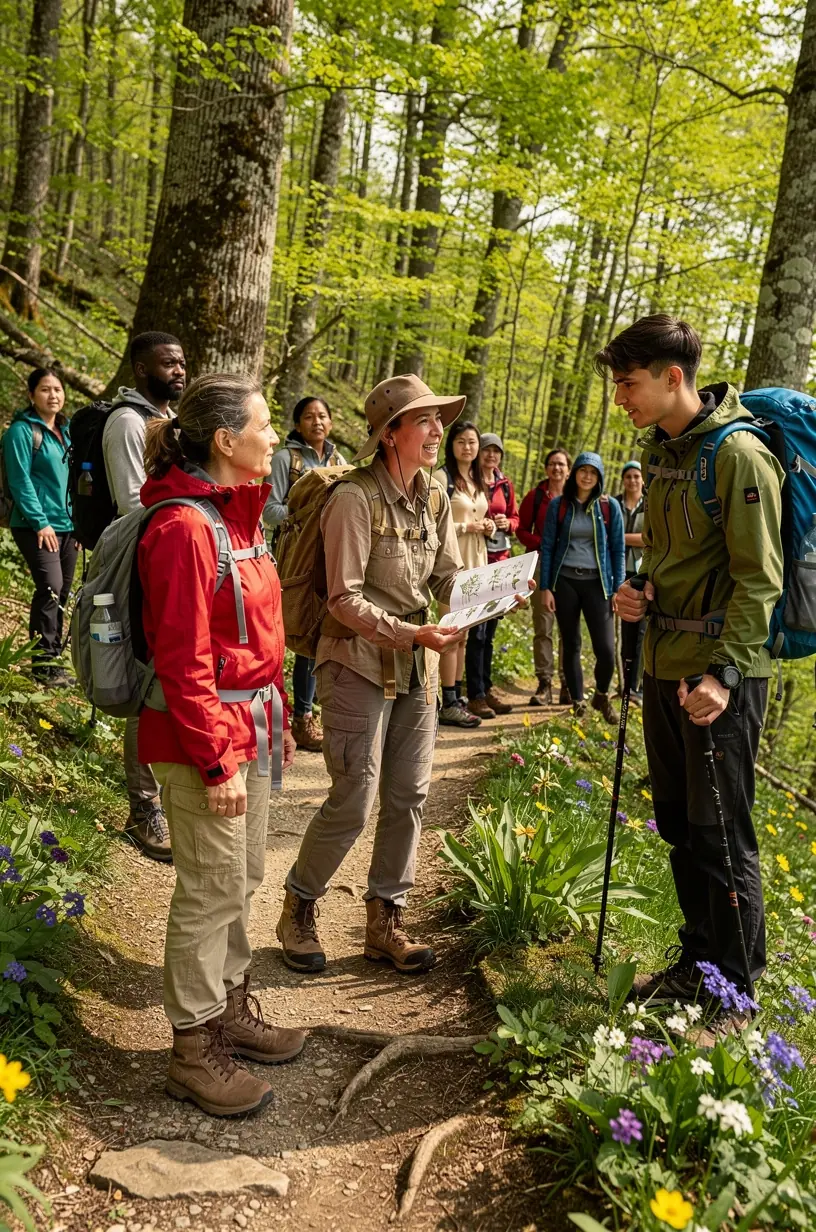
Organized meetups are an effective way to bring people together. They are often based around shared interests, such as hobbies, sports, or professional development. In most cases, when individuals participate in meetups, they find common ground, which can lead to lasting friendships and collaborations.
- Shared Interests: Many users report that attending meetups centered around common passions enhances their social circles.
- Regular Interaction: Consistency in attending meetups typically leads to deeper connections over time.
- Community Involvement: Engaging in local meetups often encourages participants to contribute positively to their communities.
Games as a Tool for Engagement
Games, whether structured or casual, create interactive environments where individuals can bond. Studies show that participating in games can enhance teamwork and communication skills, which are essential for community building. This works because games often require collaboration, strategy, and shared goals, fostering a sense of unity among players.
Moreover, games can be particularly effective in breaking down barriers among diverse groups. They provide a neutral ground where individuals can showcase their skills or simply have fun together, effectively boosting social cohesion.
The Impact of Small-Scale Performances
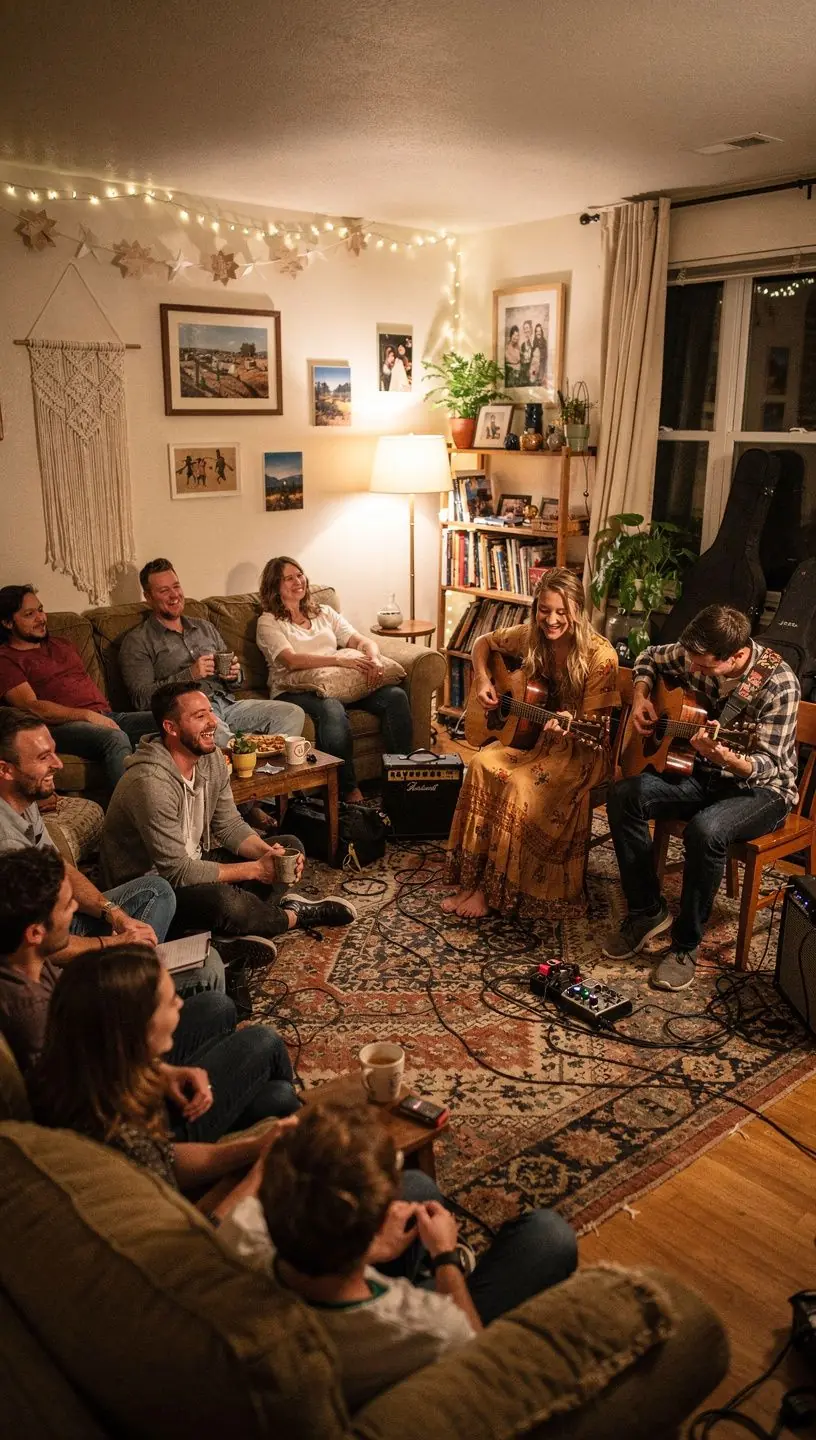
Small-scale performances, such as local concerts or theatrical productions, also play a pivotal role in community building. These events often showcase local talent and create a shared experience that can bring community members together. According to experts in community development, attending such events can improve social networks and civic engagement.
Moreover, performances typically reflect the culture and values of the community, fostering pride and a sense of identity among residents.
Challenges and Considerations
While social activities can greatly enhance community ties, they do require time and effort. Many community members may find it challenging to participate due to busy schedules or other obligations. It's essential for organizers to consider the availability and accessibility of their events to ensure broad participation.
- Time Commitment: Attending regular meetups or performances may require a significant time investment.
- Effort to Engage: Individuals may need to step out of their comfort zones to join new groups or activities.
- Inclusivity: It’s crucial to create environments that welcome everyone, regardless of background or interest.
Conclusion
In summary, social activities serve as important avenues for community building, offering opportunities for connection, collaboration, and cultural expression. While engaging in these activities does come with its challenges, the benefits—ranging from improved social ties to enhanced emotional well-being—are significant. By fostering a culture of participation, communities can create a more interconnected and supportive environment for all residents.
Learn More