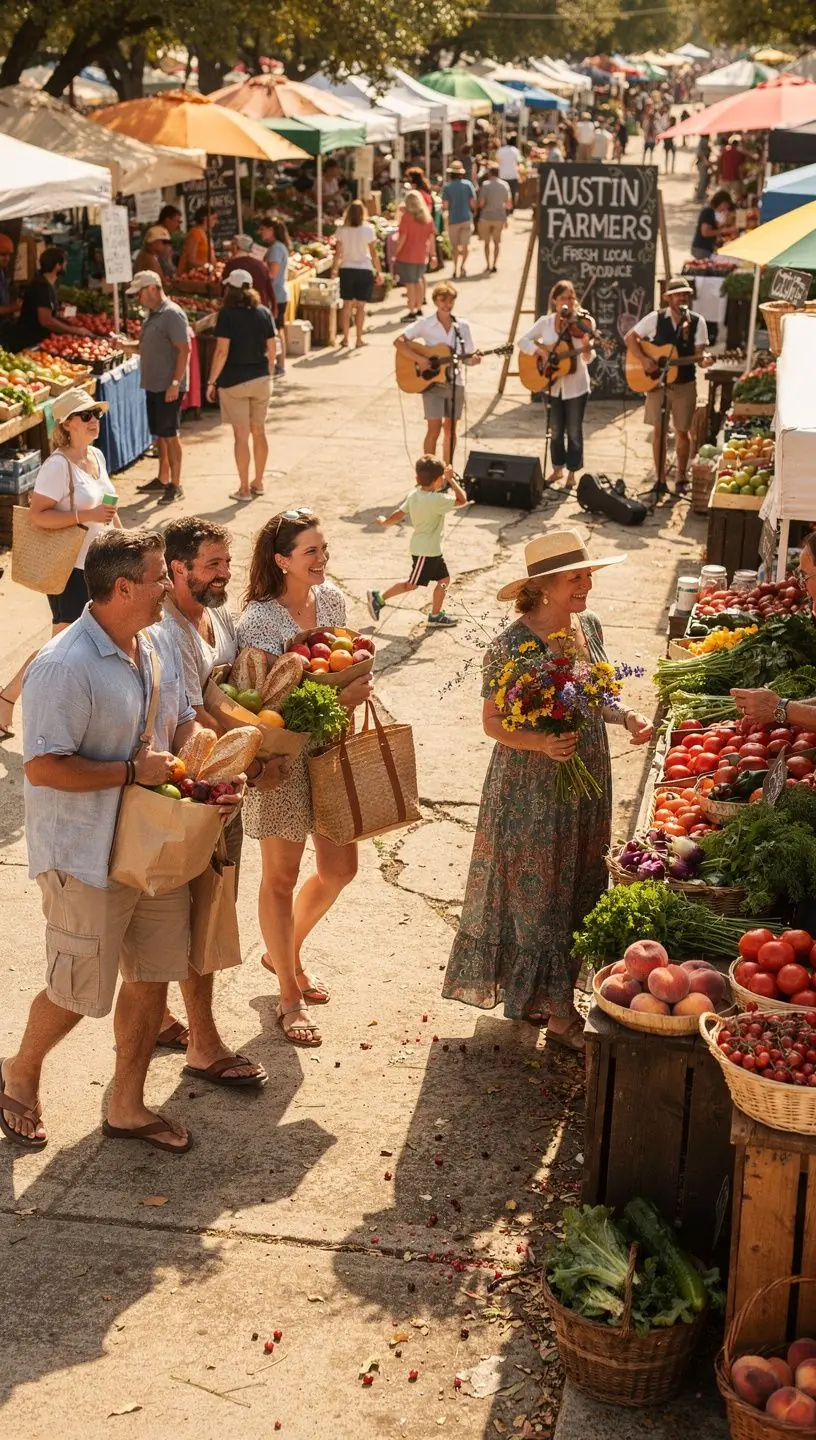
Exploring Different Types of Social Gatherings
Social gatherings have become a significant part of our lives, offering opportunities for connection, community building, and entertainment. This article explores various types of social gatherings commonly organized across the United States, providing insights and suggestions for planning your own events.
Understanding the Basics of Social Gatherings
Social gatherings can be categorized into several types, each serving different purposes and audiences. According to research conducted by the American Psychological Association, social interactions are crucial for mental well-being, often leading to improved mood and reduced stress levels. Understanding the types of gatherings can help individuals and organizations create events that meet specific needs and foster genuine connections.

"Engaging in social activities not only enhances our happiness but can contribute to better physical health." - American Psychological Association
Types of Social Gatherings
Here are some common types of social gatherings, along with their characteristics and potential benefits:
- Meetups: Typically organized through online platforms, meetups allow people with shared interests to connect. Popular in cities across the U.S., these events can range from hobby groups to professional networking.
- Games and Sports Events: Community sports leagues and game nights are excellent ways to build camaraderie. Experts suggest that participating in team sports can promote teamwork and social skills.
- Performances and Arts Gatherings: Small-scale performances, such as local theater productions or open mic nights, provide platforms for artists and cultivate community appreciation for the arts.
Practical Application: How to Organize an Effective Gathering
When planning a social gathering, consider the following steps to ensure a successful event:
- Define the Purpose: Clarity on the event's purpose is essential. Whether it's for networking, entertainment, or community engagement, understanding the goal will guide your planning process.
- Choose the Right Venue: The location can significantly impact attendance. Select a space that is accessible and suitable for the expected number of participants. According to industry standards, venues should typically accommodate 20-30% more attendees than anticipated to account for last-minute changes.
- Promote Your Gathering: Utilize social media and local community boards to reach potential attendees. Research indicates that events with strong online promotion see 25-35% higher participation rates.
Challenges and Considerations
While organizing social gatherings can be rewarding, it’s important to acknowledge potential challenges:
- Time Commitment: Planning an event typically requires several weeks of preparation, depending on the scale.
- Participant Engagement: Ensuring attendees feel engaged during the event may involve interactive activities or discussions.
- Weather and Logistics: Outdoor events may face weather-related disruptions, requiring contingency plans.
Conclusion
In conclusion, understanding the different types of social gatherings can enhance your ability to connect with others and build community. By focusing on the purpose of your event, choosing appropriate venues, and employing effective promotional strategies, you can create meaningful experiences that resonate with attendees. Remember, while planning can be time-consuming, the connections and joy derived from well-organized gatherings are often well worth the effort.
Learn More